Gallbladder Surgery

Gallstones may not always show symptoms, but when they do, it is important to understand the potential complications. 

What is a gastric sleeve?

Gallstones are hard particles that develop in the gallbladder. When they don’t lead to symptoms, you won’t need any treatment. However, when gallstones block the bile duct or cause the gallbladder to become inflamed, a condition called cholecystitis, they can cause episodes of severe abdominal pain. In that case, it is likely you will need a cholecystectomy, which is the medical term for the surgical removal of the gallbladder. 
Most of the time, if gallstones are not causing any symptoms, we will keep an eye on them to see if they clear up on their own. 
In rare cases, we might prescribe medication to break down the stones. However, they can recur so it is not a recommended method. Another treatment option that is not used a lot is lithotripsy, which is a machine that uses high-frequency sound waves to shatter the stones to help them pass through the stool.
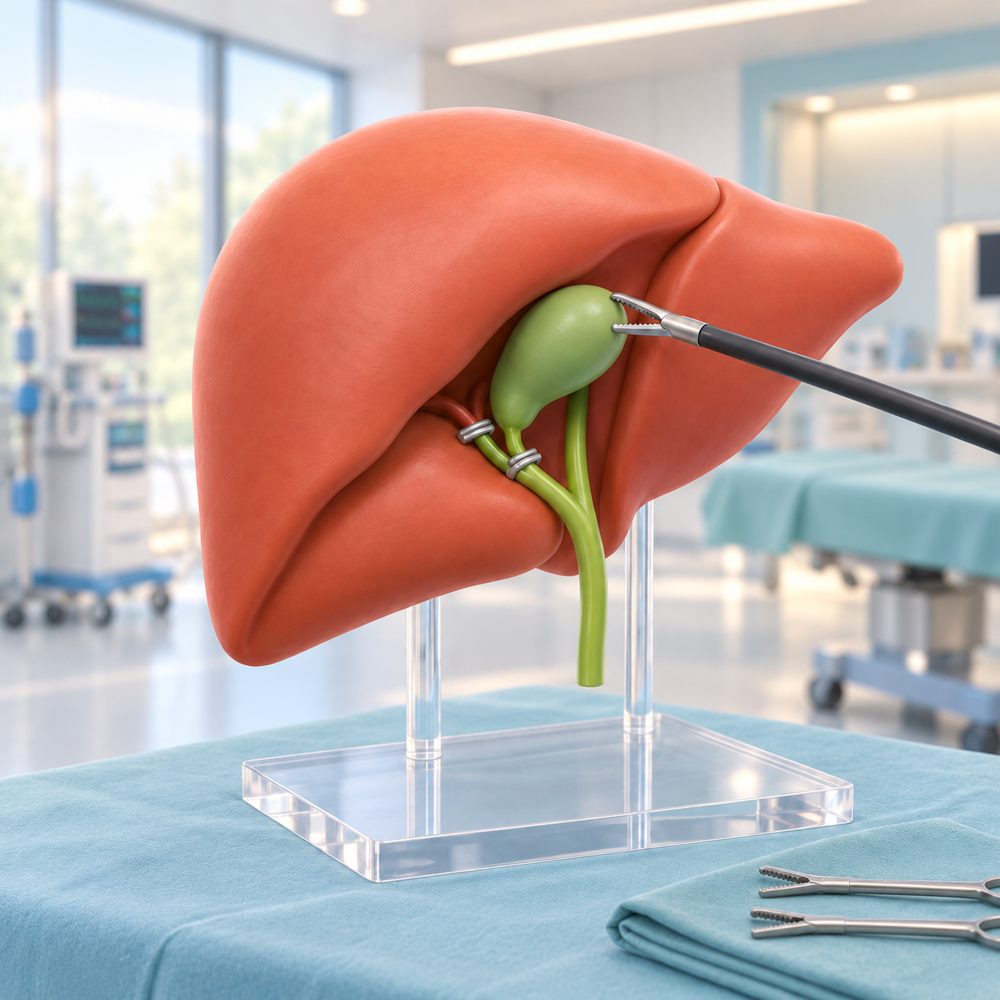
When gallstones keep coming back and start posing serious health risks, surgery to remove the gallbladder is the most effective solution. The gallbladder isn’t a vital organ, so there are no long-term implications of surgery. As the body can function normally without a gallbladder, the recommended treatment is gallbladder removal surgery. 
The preferred approach for gallbladder removal surgery is laparoscopic. Four small incisions are made to the abdomen to allow a thin tube with a tiny camera at the end and surgical tools. 
Occasionally, even though we start with a laparoscopic procedure, we might need to switch to open surgery if there are technical or safety concerns. If that happens, the small incisions are closed and a single incision is made to the right upper section of the abdomen to continue the procedure. In other cases, a laparoscopic approach is not possible due to your specific individual circumstances (e.g. prior surgeries, advanced disease, or your anatomy). If that’s the case, an open procedure is required and this will be discussed during consultation.
During surgery, an X-ray of the bile duct is taken to make sure that no gallstones have moved into the bile duct causing complications. If that is the case, another endoscopic procedure, called ‘ERCP‘, may be needed to extract these.